







Search Results for: variety identification
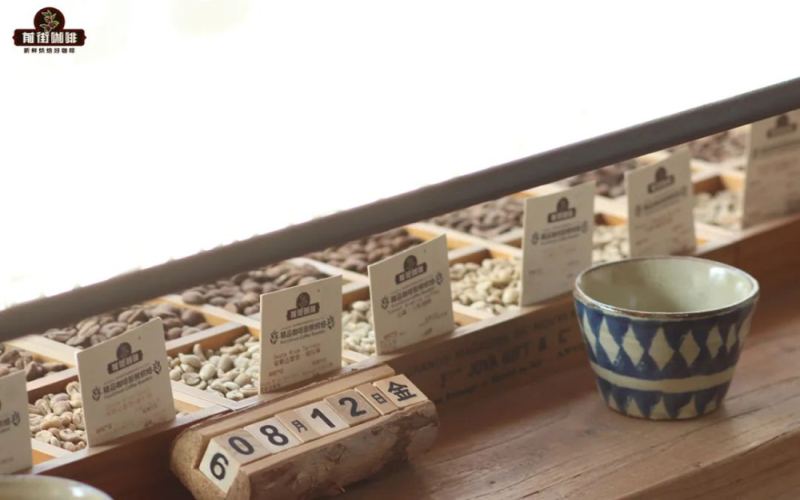
Arabica Coffee Variety Identification Guide: A Full Analysis of Bean Characteristics of Typica, Bourbon, Geisha, and More
Many people are curious about how some coffee experts can identify the variety and origin of coffee beans at a single glance. In fact, different varieties within the Arabica family each have their own distinctive bean shapes and appearances, and as long as you grasp the patterns, you can do it too. This article, from the perspective of Front Street Coffee, walks you through the bean shape characteristics of common varieties such as Typica, Bourbon, SL28, SL34, Caturra, Catuai, and Geisha. Roasted bean images are used as visual aids throughout the article so that you can take out the coffee beans on hand and compare them as you observe. Whether you are a complete beginner or a seasoned connoisseur looking to sharpen your identification skills, this guide will help you build the correspondence between variety and appearance. [more…]
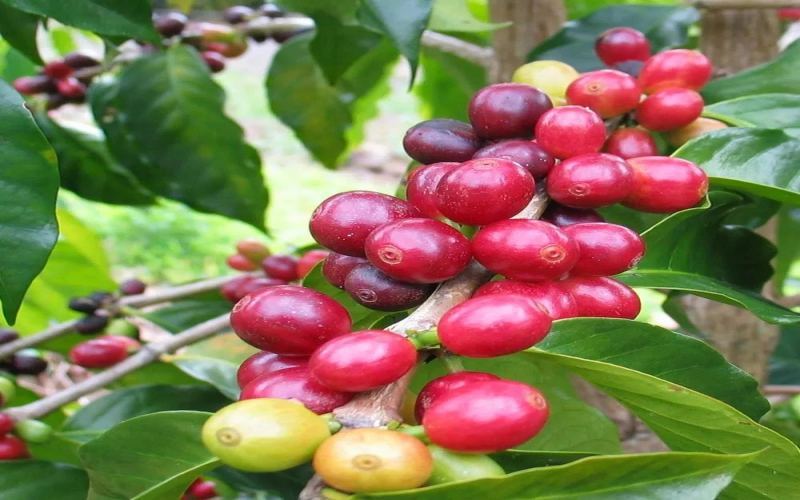
A Complete Guide to Arabica Coffee Varieties: Characteristics and Identification of Common Beans Such as Typica, Bourbon, and Geisha
Arabica, the most widely cultivated coffee species in the world, has given rise to numerous sub-varieties such as Typica, Bourbon, Geisha, and Caturra, each differing noticeably in plant morphology, bean characteristics, and cup profile. This article systematically sorts out the classification and identification points of major Arabica varieties from the perspectives of origin, botanical characteristics, and bean shape identification, while combining Front Street Coffee's brewing and purchasing suggestions to help coffee enthusiasts more clearly understand the coffee beans they encounter in daily life. [more…]
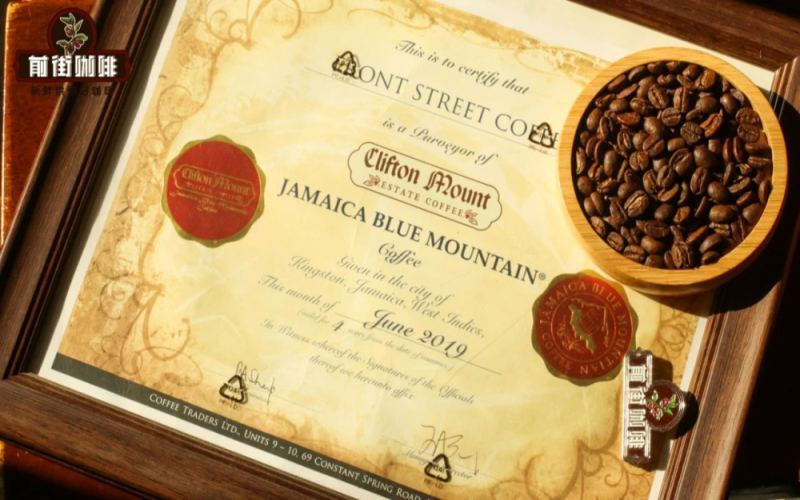
Jamaica Blue Mountain Coffee Bean Flavor Analysis: Washed vs. Natural Processing Differences and Authenticity Identification Guide
Jamaican Blue Mountain coffee has long stood at the pinnacle of specialty coffee thanks to its balanced, elegant flavor and scarce production. This article focuses on Front Street Blue Mountain coffee, systematically sorting out its origin environment, identification points, historical policies, and variety origins, and highlighting a comparison of the flavor differences between two Blue Mountain coffees from Clifton Estate: washed and natural. At the same time, it explains in detail the operational processes of the two processing methods, natural and washed, helping coffee enthusiasts fully understand the preciousness of Blue Mountain coffee and the logic of tasting it. [more…]
Where Does Coffee Aroma Come From? From Variety to Roast: Analyzing the Formation and Identification of Floral and Fruity Notes in Light-Roasted Beans
Coffee contains thousands of compounds capable of stimulating our senses of smell and taste; they drift into the air for us to inhale, or dissolve in water to touch our taste buds. From a scientific perspective, brewing coffee is essentially an extraction process, and four key elements—raw material, contact area, temperature, and time—jointly determine the final flavor profile. In the raw material stage, the coffee bean's variety, roast level, freshness, and brewing method are all crucial, with variety being the primary factor. This article will focus on floral aroma, a precious flavor in specialty coffee, exploring how it is comprehensively influenced by variety, cultivation, processing method, and roast level, and introducing specific ways to identify different aroma types, while recommending several representative beans from Front Street Coffee. [more…]
Jamaica Blue Mountain Coffee Brand Roundup and Pour-Over Tutorial: From Origin History to Authenticity Identification Explained
Blue Mountain coffee has long been in a state of short supply due to its scarce production. There are many products on the market under the Blue Mountain banner, but which brands are truly Jamaican Blue Mountain? How can you tell the real from the fake? And how should it be brewed to bring out its balanced, sweet, and mellow flavor? This article begins with the cultivation history of Blue Mountain coffee and its three major production regions, sorts out the varieties, processing methods, and flavor characteristics of Blue Mountain coffee, and introduces in detail the pure secrets and identification points of Front Street Blue Mountain coffee. Finally, it includes a set of pour-over Blue Mountain coffee parameter plans to help coffee lovers gain a comprehensive understanding of this world-class coffee. [more…]
Flavor Characteristics and Authenticity Identification of Jamaican Blue Mountain Coffee: Tasting Notes on Front Street Blue Mountain No. 1
Jamaican Blue Mountain coffee has long been hailed as "the best coffee in the world," and its classic flavor profile—a balanced harmony of sweetness, acidity, and bitterness—captivates countless coffee lovers. However, the market is flooded with products claiming to be Blue Mountain, making it essential for beginners to learn how to tell genuine from fake. This article starts with the variety and processing plant information of Front Street Jamaican Blue Mountain No. 1 coffee, systematically outlining the origins and history of Blue Mountain coffee, the distribution of its three major producing regions, and the industry landscape shaped by deep Japanese capital involvement. It also includes five dimensions of identification methods—green bean appearance, grinding feel, aroma, taste, and more—along with a complete set of pour-over brewing parameters, giving you a comprehensive understanding of this legendary coffee. [more…]
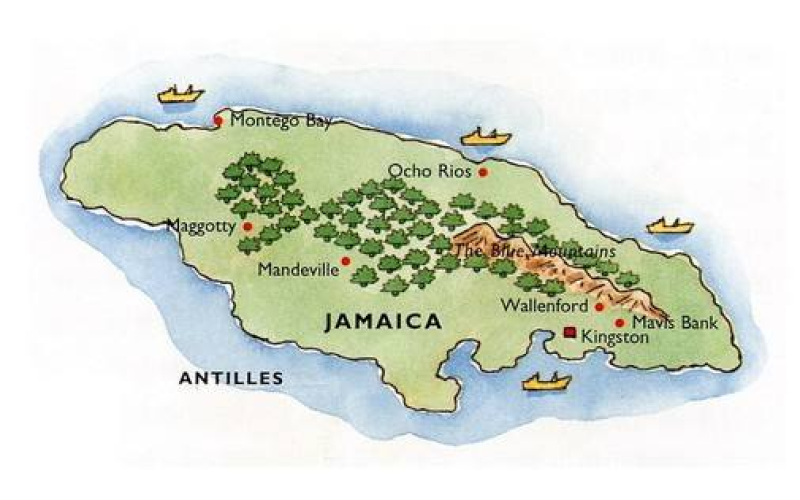
Jamaican Blue Mountain Coffee Flavor Characteristics, Bean Grade Classification, Authenticity Identification Methods, and Market Price Analysis
Jamaica Blue Mountain coffee is renowned as one of the world's top coffees, with its acidity, sweetness, body, and bitterness in balanced harmony, a rich aroma, and a smooth entry. The authentic Blue Mountain production area is limited in size and its output is scarce, and the so-called Blue Mountain coffee circulating on the market is a mix of genuine and fake. This article will systematically sort through multiple dimensions including the origin divisions of Blue Mountain coffee, grade classifications, flavor characteristics, brewing parameters, authenticity identification methods, and international market conditions, to help coffee enthusiasts gain a comprehensive understanding of this legendary coffee, and will also include Front Street Coffee's recommendations and certification information. [more…]

Characteristic Analysis, Authenticity Identification, and Suitable Roast Level of the Typica Variety in Blue Mountain Coffee Beans
Blue Mountain coffee is a classic that many coffee enthusiasts encounter early on, and its varietal foundation is Typica. This article will start from Typica's botanical characteristics, flavor profile, and susceptibility to disease, then outline the terroir conditions of Jamaica's Blue Mountain region and the CIB certification system, explain the key points for identifying Blue Mountain coffee, and share Front Street Coffee's roasting approach and pour-over parameters for Blue Mountain No. 1. Whether you want to understand why Typica is so prized or figure out what roast level actually suits Blue Mountain coffee, this article will give you clear answers. [more…]

How to distinguish Arabica from Robusta? A comprehensive comparison from morphological characteristics to growing altitude
In the first two installments of Front Street's Bean Appraisal Guide, we have already learned to identify some of the sub-varieties of Arabica, as well as the differences in appearance between sun-dried and washed processing. This time, version 3.0 will cover the two most core commercial varieties in the Coffea genus—Arabica and Robusta. They each have their own characteristics in flavor, disease resistance, growing altitude, yield, and bean shape, especially the differences in the center line form, which can help us tell them apart at a glance. This article will compare these two varieties in detail from multiple dimensions, and also tell you why Robusta has long been unpopular in the specialty coffee circle, yet still accounts for a quarter of global production. [more…]
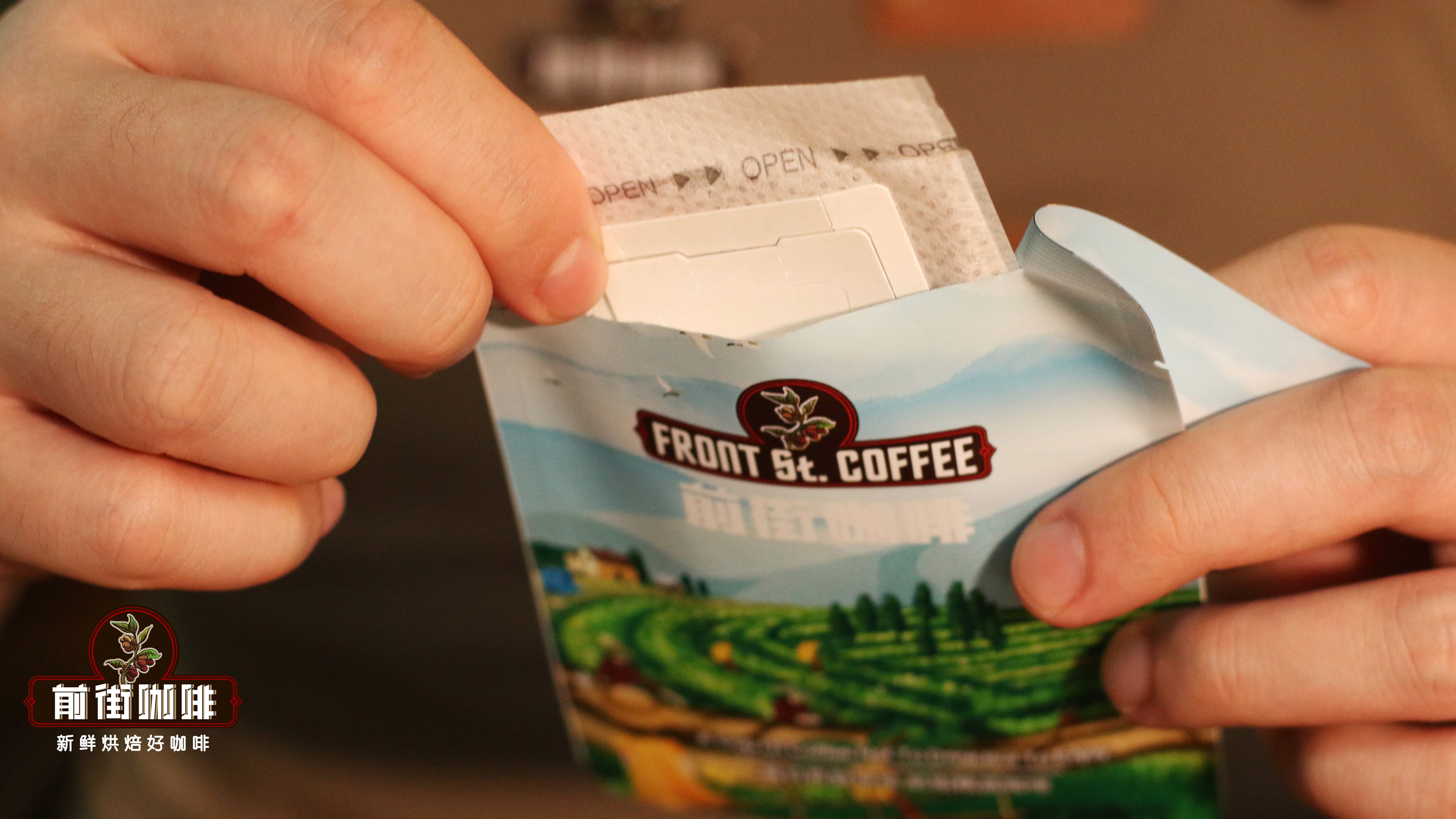
Is Drip Bag Coffee Considered Black Coffee? A Full Breakdown of Brewing Steps and Freshness Identification
For office workers who want to enjoy specialty coffee without a grinder, drip bags are an ideal choice that balances convenience and flavor. But is drip bag coffee actually black coffee? What is the correct brewing process? And how can you tell whether a drip bag is still fresh? This article starts from the essence of drip bag coffee, breaks down the key brewing points such as blooming and pouring step by step, and shares methods for selecting fresh drip bags based on roast date, foam condition, and taste. At the end, it also compiles a variety of fresh drip bag recommendations from Front Street Coffee in different styles, covering floral, tea-like, fruity, fermented, and rich mouthfeel types, making it easy for coffee lovers with different preferences to choose as needed. [more…]
Jamaican Blue Mountain Coffee Beans: Flavor Characteristics, Authenticity Identification, Clifton Estate, and Washed vs. Natural Comparison
Jamaican Blue Mountain coffee has always been a legend in the specialty coffee world, known for its balanced, elegant flavor and scarce production. Front Street Coffee takes you on a deep dive into Blue Mountain coffee's growing conditions, flavor characteristics, methods for verifying authenticity, and the unique status of Clifton Estate. The article also compares the flavor differences brought by washed and natural processing methods, and introduces Blue Mountain coffee's historical origins, variety sources, certification standards, and current market situation. Whether you are a beginner just encountering Blue Mountain or a seasoned enthusiast looking to further understand the differences between processing methods, you will find valuable information here. [more…]
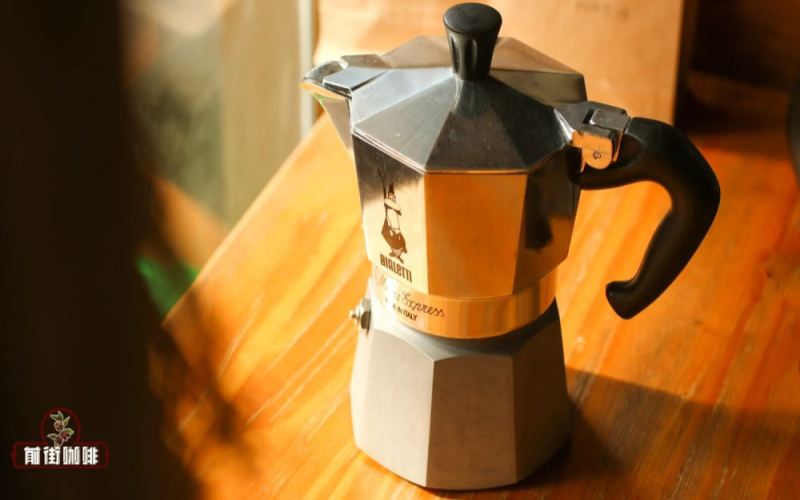
Bialetti Moka Pot Buying Guide: Coffee Bean Pairing Tips and Authenticity Identification Key Points Explained
As a representative device for home espresso, the moka pot has specific requirements for coffee bean selection due to its extraction method. Starting from the historical origins and authentic features of the Bialetti moka pot, this article systematically outlines the roasting direction for coffee beans suitable for moka pots, and for the three flavor orientations of balanced, fruity, and nutty, respectively recommends products such as Front Street Classic Espresso Blend, Front Street Strawberry Candy, and Front Street Brazil Queen's Estate, while also providing practical advice on freshness management. Whether you are a beginner who has just acquired a moka pot or an advanced player hoping to improve the consistency of your brews, you can find actionable bean-selection ideas and identification methods here. [more…]
Tracing the Origins of the Yunnan Typica Coffee Variety: Flavor Characteristics, Tree Species Identification, and an Analysis of Front Street Coffee's 2013 Sun-Dried Beans
In discussions of Yunnan coffee varieties, Typica and Catimor are often conflated. In reality, the vast majority of what is currently grown in Yunnan is Catimor, while Typica is a long-established heirloom variety. This article begins with the origins and botanical characteristics of Typica, outlines its flavor advantages and cultivation challenges, and, drawing on Front Street Coffee's Front Street 2013 Sun-Dried Typica from its plantation in Lincang, Yunnan, presents a complete picture spanning variety selection, processing methods, roasting curves, and cupping and pour-over recommendations, helping readers clarify the varietal landscape of Yunnan Arabica coffee. [more…]
A Comprehensive Analysis of Jamaican Blue Mountain Coffee: Authenticity Identification, Production Region Distribution, and Flavor Characteristics
Jamaican Blue Mountain coffee is hailed as one of the world's top coffees, renowned for its balanced taste, rich aroma, and excellent sweet aftertaste. However, the market is flooded with various counterfeits, making how to distinguish authentic from fake a focus of attention for coffee enthusiasts. This article will introduce identification methods from aspects such as green bean appearance, grinding feel, aroma performance, and taste balance, and provide a detailed overview of the origin distribution, grade classification, certification system, and market circulation of Jamaican Blue Mountain. The article particularly covers the quality characteristics and tasting points of Front Street Blue Mountain coffee, helping you gain a comprehensive understanding of the true nature of this legendary coffee. [more…]
An Analysis of the Typica Characteristics of Jamaican Blue Mountain Coffee Beans, Identification Methods for Authenticity, and a Discussion of Suitable Roast Levels
As one of the world's top coffees, what exactly makes the Typica variety behind Blue Mountain coffee so unique? From the perspective of Front Street Coffee, this article systematically reviews the botanical characteristics, flavor profile, and cultivation challenges of the Typica variety, provides an in-depth analysis of the terroir advantages of Jamaica's Blue Mountain region and the CIB certification system, and shares Front Street's medium-dark roast curve and pour-over extraction parameters for Jamaica Blue Mountain No. 1. Whether you want to learn how to tell genuine Blue Mountain coffee from counterfeit, or want to master the best roasting and brewing methods for these beans, you'll find practical guidance in this article. [more…]
Coffee Bean Identification Tips | Should Coffee Beginners Choose Single-Origin or Blended Beans? What Are Some Recommended High-Cost-Performance Single-Origin Coffee Beans for Beginners?
The coffee beans themselves are the biggest factor affecting coffee flavor. If you don't choose high-quality coffee beans, you won't be able to taste good coffee. Today, I'll share some practical tips for beginners on selecting and identifying coffee beans. Coffee bean brands suitable for beginners to learn about For inexperienced newcomers, the complicated cof [more…]
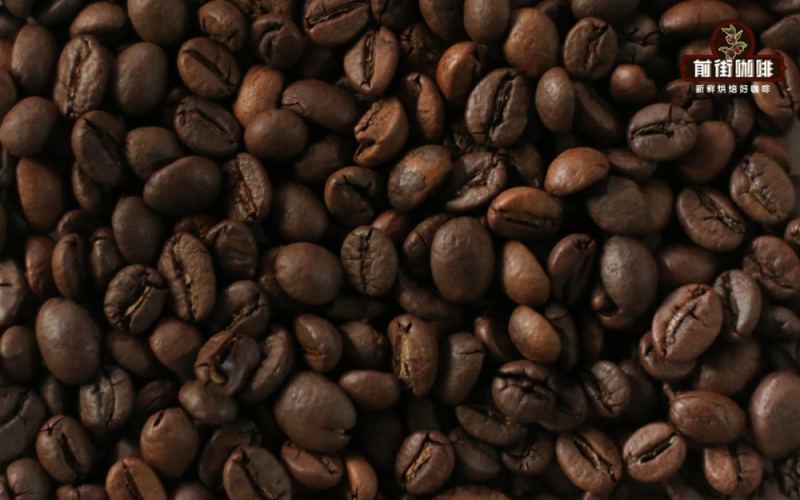
An In-Depth Analysis of Robusta Coffee Beans: Differences from Arabica, Espresso and Single-Origin Applications, and Key Identification Points
Robusta and Arabica are currently the two most widely commercially cultivated coffee varieties. The former is known for its intense, bitter, and steady flavor, with a caffeine content about twice that of Arabica. It has strong stress resistance, high yield, and low cost, and is often used in dark-roasted espresso blends or instant coffee. Its high chlorogenic acid content brings a rich, deep bitterness along with nutty and grainy notes, and if improperly processed, it may also develop earthy or rubbery flavors. Dark-roasted Robusta can give espresso a thick, rich crema, and Italians often blend it into their recipes to enhance the "coffee taste." Indian Royal Robusta proves that with careful cultivation, Robusta can also present a clean flavor. This article focuses on the characteristics of the variety, how to distinguish it from Arabica, the difference between espresso and single-origin, and combines this with the formula and flavor performance of Front Street Coffee's commercial blend coffee beans. [more…]
Panama Hacienda La Esmeralda Diamond Mountain Series: Caturra and Catuai Variety Identification and Washed Processing Flavor Analysis
Hacienda La Esmeralda is not only famous for Geisha; its Caturra and Catuai varieties also attract considerable attention. This article will guide you through the Diamond Mountain series' origin background, variety characteristics, natural processing method, as well as Front Street Coffee's green bean analysis, roasting records, and cupping report. By comparing the plant characteristics and flavor performance of Caturra and Catuai, we help coffee enthusiasts better understand this classic series. At the same time, the article also shares Front Street's brewing insights, including dripper selection, parameter settings, and the three-pour extraction method, providing a reference for your daily brewing. [more…]
Where Can You Find Authentic Huangzhixiang Phoenix Dancong? Analyzing the Unique Flavor and Identification Points of Songzhong Huangzhi Dancong
Huangzhixiang Dancong is one of the oldest varieties of Phoenix oolong tea, its name originating from a local dialect's misreading of kumquat. The genuine Songzhong Huangzhixiang is scarce in production, with a flavor profile between modern sweet-aroma style and the floral-basket style, featuring kumquat fruit notes, honey charm, and the floral aroma unique to high-altitude single bushes. This article will sort through the origin of the name, the history of Songzhong, the taste characteristics of genuine Huangzhixiang, and the pitfalls of market purchasing, one by one. At the same time, the "Front Street" brand products mentioned in the article provide a reliable reference for enthusiasts. Whether you are just getting into Dancong or want to deeply distinguish authenticity, this guide can help you build a clear cognitive framework. [more…]
From Typica Origins to Clifton Estate: A Comprehensive Analysis of the History and Identification of Jamaica Front Street Blue Mountain Coffee
Jamaican Blue Mountain coffee is renowned for its balanced flavor and scarce production, making it a legendary presence in the coffee world. This article will trace the historical development of Front Street Blue Mountain coffee from the beginning: in 1717, King Louis XV of France ordered coffee to be planted in Jamaica, and the Typica variety thus took root in the Blue Mountains; in 1932, the Jamaican government implemented policies to encourage coffee production, prioritizing quality over expanding yield, which established Blue Mountain coffee's status as a premium product. The article also explains in detail the criteria for distinguishing Blue Mountain coffee from High Mountain coffee, four key points for identifying authenticity, and provides an in-depth introduction to Clifton Estate—the oldest and highest-altitude single Blue Mountain coffee estate, along with its Rainforest Alliance certification. Finally, through a comparison of washed and natural processing, it presents the specific flavor profile of Front Street washed Blue Mountain coffee. [more…]